Images from TrekCore.com
This episode contains Shakespeare references, and not just in the title, either. Which I actually quite enjoy, because Shakespeare is my fucking jam.
Images from TrekCore.com
This episode contains Shakespeare references, and not just in the title, either. Which I actually quite enjoy, because Shakespeare is my fucking jam.

Today, our weekly journey through folklore takes us to China, where we shall explore the jiangshi, or hopping vampire.
Why are they called this? Because they get around by hopping.

(Content warning; this post contains discussion of sexual assault.)
So, Medusa. Most people know the basics of her story: lady with snakes for hair, turned men to stone with a glance. Which, you know, goals.
What’s interesting about Medusa is that her origin is different depending on which version you hear. In the original, Medusa and her sisters Stheno and Euryale were always monsters: specifically, gorgons.
The Roman poet Ovid, however, changed things up a little bit. So, because that version is more interesting to me (if also kinda infuriating), that’s the one I’m going to be talking about today.

So, there’s this tendency that certain Americans have towards treating the indigenous peoples of North America as a kind of monoculture. This is, of course, not true: there were over 570 indigenous nations in the continental United States alone. At least, this was until white people came and kind of fucked everything up, as we are wont to do.
Which leads me into this Mythology Monday topic: the Iroquois creation myth.
Now, the Iroquois actually weren’t a single nation, but rather a confederacy of 5 (eventually 6) different but similar nations. Felt like I should probably mention that. Anyway, on with the story.
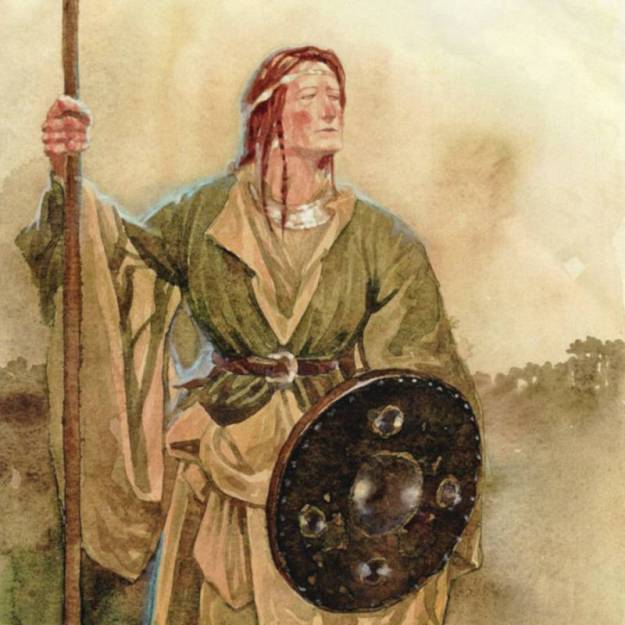
This Monday I’m finally heading back to the Ulster Cycle, where I will now tell you the tale of Cu Chulainn’s training with the warrior woman Scathach.
 Katethulu's Cave Of Mysteries